
7 Rookie Mistakes Chicago First‑Time Buyers Make (And How to Avoid Them)
Buying your first home in Chicago is exciting, nerve‑racking, and, at times, flat‑out confusing. Between navigating neighborhoods, figuring out what you can truly afford, and competing in a fast‑moving market, it's easy to make decisions you regret later. With the right guidance, though, you can skip the typical rookie errors and move confidently toward the keys of a place that really fits your life.
Instead of learning the hard way, you can lean on the experience of professionals who see these missteps every day. From underestimating closing costs to overvaluing internet "advice," there are patterns that repeat themselves with nearly every crop of new buyers. Understanding them up front will help you stay focused, protect your budget, and make moves that support your long‑term goals, not just your short‑term emotions.
Below are seven of the most common mistakes first‑time buyers in Chicago make, plus straightforward ways to avoid each one. Think of this as your reality check before you fall in love with the first condo you see on a Saturday afternoon.
Mistake #1: Focusing Only on the Listing Price
Sticker price is only the first chapter of the story. Many first‑time buyers fixate on "Can I get this place for $X?" and forget to factor in taxes, assessments, insurance, repairs, and everyday expenses like commuting and parking. In a city known for its property tax variations by neighborhood and changing assessment cycles, that oversight can be costly.
Instead of asking only whether you qualify for a certain loan amount, it's smarter to ask, "What monthly payment will still let me breathe?" That means running the numbers for principal and interest, property taxes, homeowners insurance, HOA or condo assessments, and a realistic cushion for maintenance. In many Chicago buildings, assessments can be as impactful as the mortgage itself—especially when they include heat, water, or amenities like a gym or doorman.
Working through a full cost-of-ownership breakdown up front helps you avoid falling for a gorgeous place that looks affordable on paper but will leave you house‑poor in practice. A well‑versed local broker can help you compare neighborhoods and buildings with an eye on these less visible costs.
Mistake #2: Ignoring Neighborhood Nuance
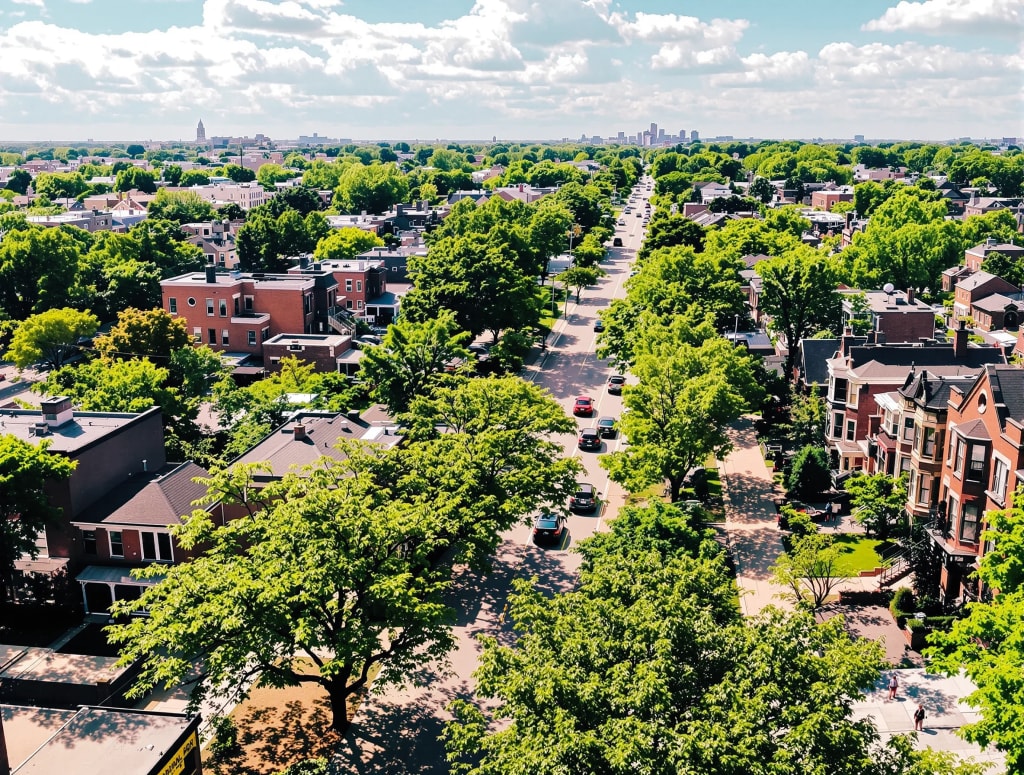
From West Loop to Albany Park, "Chicago" is not one experience—it's dozens of micro‑markets with their own vibe, price dynamics, and long‑term potential. First‑time buyers often assume that if they like a few streets in a neighborhood, the entire area is the same. In reality, crossing a single avenue can change everything from school boundaries to tax rates and resale demand.
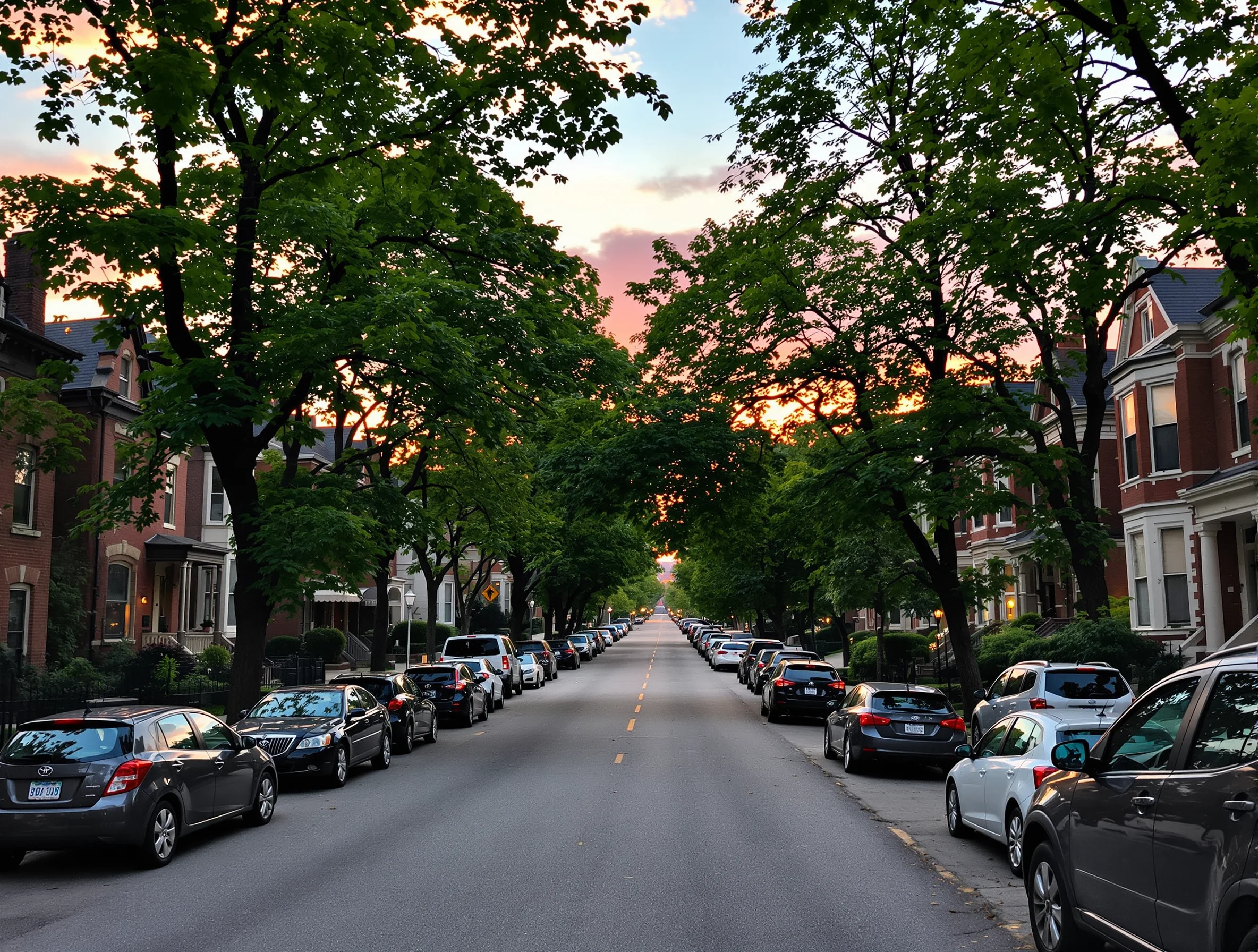
Daily lifestyle details matter just as much as the vibe on a sunny Sunday afternoon. Commute times in winter, noise from nearby train lines, parking realities during snow season, access to green space, and proximity to essentials like groceries or childcare all shape how you feel in a home over time. Those details rarely show up in glossy listing descriptions.
Spending time walking your target area during different days and times—early morning, late evening, and on a weekday—can be eye‑opening. Pair that on‑the‑ground research with data from a local expert who knows how each pocket of the city is trending, not just what looks hot on social media today.
Mistake #3: Skipping a Thorough Pre‑Approval
There's a big difference between clicking through an online "pre‑qualification" and having a fully documented pre‑approval from a reputable lender. In a competitive Chicago market, sellers and listing agents can immediately tell who did their homework and who simply filled out a quick form on their phone.
Without a solid pre‑approval, you risk falling in love with a property only to discover you can't actually secure financing on those terms—or that you're wasting time looking above your realistic range. You also weaken your negotiating position, because savvy sellers want to know your lender has already reviewed your income, debts, and credit.
Taking the time to gather your documents, talk through loan options, and understand your numbers before you step into showings can save you from both heartbreak and delays once you're under contract. It can also help your agent structure stronger offers with terms that matter to sellers, such as closing timeframes and appraisal considerations.
Mistake #4: Underestimating the Power of a Local Expert
Online listings can make you feel like you have everything you need, but algorithms don't walk through buildings, sit in association meetings, or negotiate with sellers every week. A seasoned local broker who actively works Chicago and nearby Cicero sees beyond the photos and bullet points, recognizing subtle red flags and hidden strengths that first‑time buyers simply don't know to look for.
Guidance from someone who lives inside this market daily can save you from buying into a building with weak reserves, a history of special assessments, or chronic maintenance issues. It can also help you spot undervalued options—like a slightly dated but well‑maintained property in a rising area—that fit both your budget and future plans.
With a designated managing broker like Daniel Hernandez at NAIM Luxe Realty, you're not only getting someone who can open doors and write offers, but also leadership-level insight into how deals are structured and why some properties outperform others over time. That perspective can be especially valuable for first‑time buyers who want a clear, simplified explanation of the process rather than industry jargon.
Mistake #5: Letting Emotions Override the Inspection
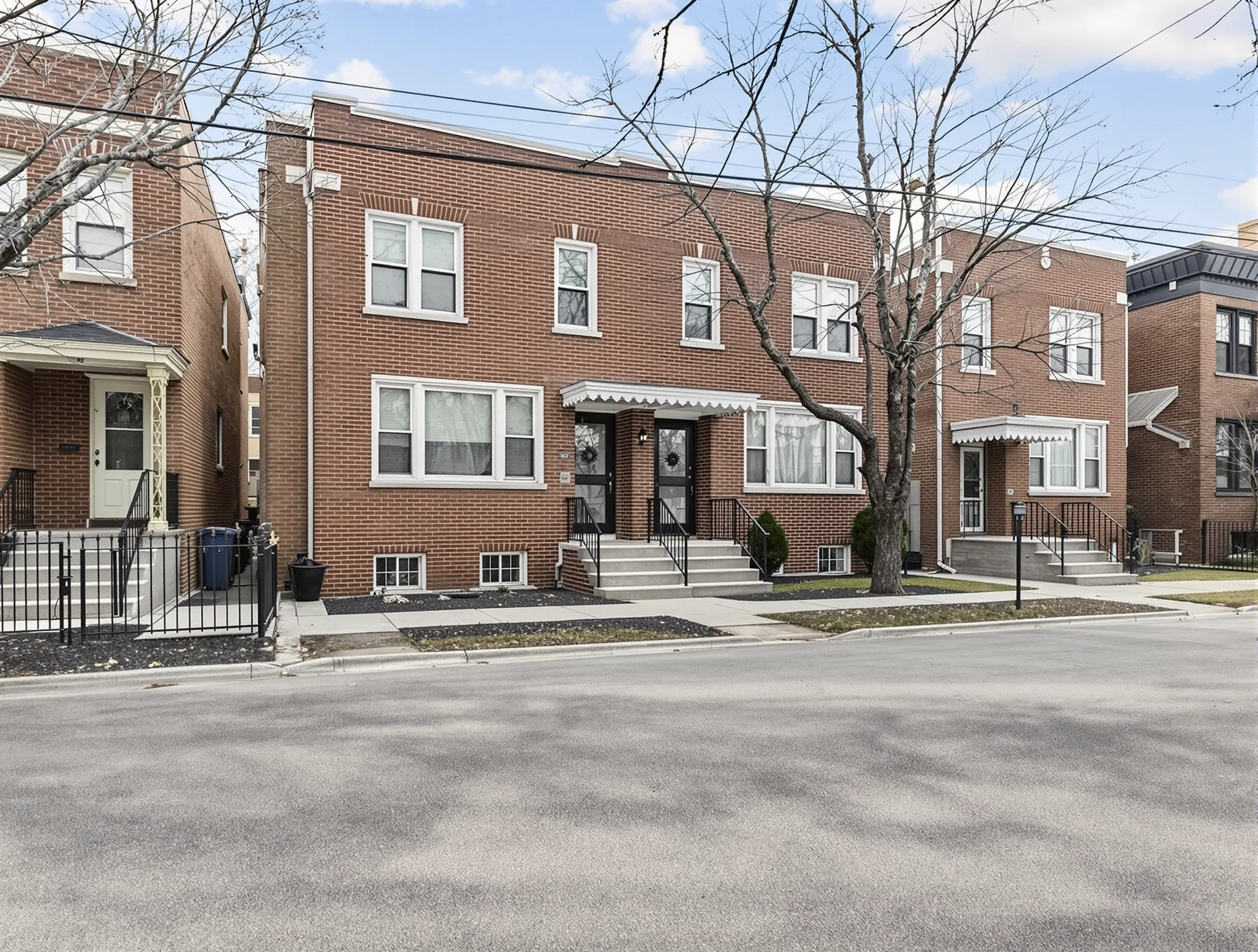
Falling for a home is normal—you should feel excited and attached to where you're about to live. The trouble starts when excitement drowns out objective information, especially during the inspection. Many first‑time buyers in the Chicago area don't fully appreciate how inspections differ in older housing stock, from 1920s bungalows to pre‑war brick walk‑ups and mid‑century multifamily buildings.
Inspections are not about nitpicking every cosmetic flaw. They're your chance to understand the major systems of the property: roof, foundation, plumbing, electrical, HVAC, and any unique building elements. In cold‑weather cities, issues with insulation, windows, and heating can have a big impact on comfort and utility bills. When you skim the report or downplay concerns because you're afraid to "rock the boat," you might be signing up for expensive surprises in the first few years of ownership.
A better approach is to treat the inspection as data, not drama. Lean on your agent and inspector to help you distinguish between common, manageable issues and true deal‑breakers. Often, you can use the inspection to negotiate repairs or credits, or at least go into ownership with a clear, realistic plan for future maintenance instead of wishful thinking.
Mistake #6: Forgetting About Resale From Day One
When you're buying your first place, it's natural to focus on what you want right now. Still, odds are good this won't be your forever home. Job changes, family needs, and lifestyle shifts happen. Choosing with resale in mind doesn't mean you have to buy something generic; it simply means understanding how the wider market will view what you're buying.
Layout, light, parking, outdoor space, and bedroom count all influence future demand. So do school boundaries and proximity to transit in a city like Chicago, where many buyers rely on the L or Metra. Features you personally don't care about today may be major selling points when it's your turn to list—and they can protect your investment in softer markets.
An experienced broker can help you balance your wish list with attributes that typically hold value across market cycles. For example, a slightly smaller condo in a strong, stable building may be a smarter long‑term choice than a larger unit in a poorly managed association, even if the second one looks more exciting initially.
Mistake #7: Trying to DIY the Entire Process

Scrolling listings, scheduling showings, comparing mortgage rates, reading inspection reports, coordinating attorneys, and tracking deadlines is a lot—especially if it's your first time. Plenty of buyers underestimate how complex the path from "That place looks great" to "We closed" really is. Missteps often show up in the fine print: missed contingencies, unclear contract terms, or missed opportunities to negotiate repairs and credits.
Trying to shoulder everything yourself can lead to burnout and rushed decisions. It can also cost you money if you overlook important protections or misjudge what's truly negotiable. Surrounding yourself with a small, trusted team—a lender, real estate attorney, home inspector, and broker—gives you a support system that has seen hundreds of transactions and knows where problems tend to hide.
At NAIM Luxe Realty, the emphasis is on simplifying this entire journey so you're never wondering what happens next. Clear explanations, realistic timelines, and step‑by‑step guidance turn a maze into a straightforward path, so you can focus on choosing the right home instead of worrying you'll miss a critical detail.
Turning Rookie Moves Into Smart Strategies
The leap from renter to homeowner in Chicago can feel huge, but it doesn't have to be overwhelming. Once you understand the most common mistakes—looking only at list price, overlooking neighborhood nuance, skipping serious pre‑approval, underestimating inspections, and trying to DIY a complex process—you're already ahead of the curve. You'll ask better questions, spot red flags faster, and stay anchored in your budget and long‑term goals.
With the right guidance, that first purchase becomes more than just a set of keys; it's a strategic step in your financial life and a foundation for the next chapter you're building in the city. You deserve a home that fits not only the way you live today, but also the future you're working toward.
If you're ready to explore buying in Chicago or Cicero and want a managing broker who will walk you through every stage with clarity and patience, reach out to Daniel Hernandez at NAIM Luxe Realty. With experience focused on residential buyers and a commitment to simplifying the process, you'll have an advocate by your side from your first showing to the moment you hold the keys.