
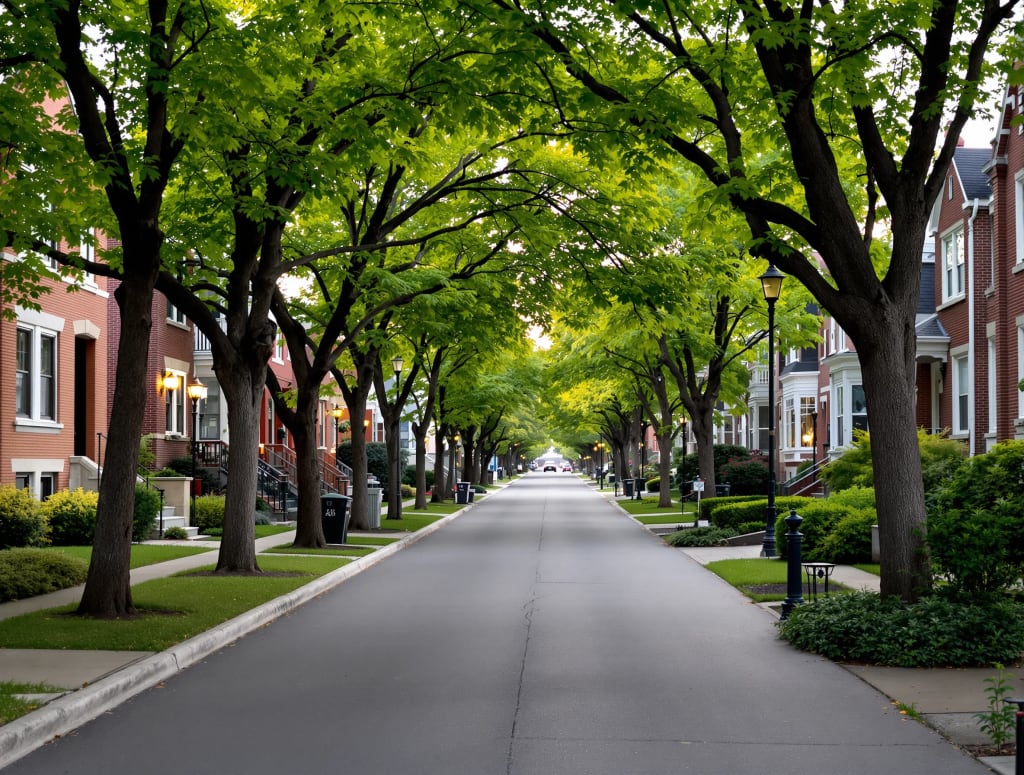
Oak Park vs. Chicago: Which Is the Better Fit for Your Next Home?
Choosing between Oak Park and the city of Chicago comes down to more than just commute times and square footage. It is really a lifestyle decision: quiet tree-lined streets versus high-energy urban blocks, historic architecture versus glittering skylines, spacious single-family homes versus sleek high-rises. With so many options across the region, it helps to slow down, compare what daily life actually feels like in each place, and decide which community best matches your priorities, routines, and long-term plans.
With NAIM Luxe Realty guiding you, that choice becomes far less overwhelming. Daniel Hernandez, Designated Managing Broker, works one-on-one with buyers and sellers across Chicago and nearby suburbs like Cicero and Oak Park to clarify needs, explain trade-offs, and simplify each step of the move. Instead of chasing every listing that pops up online, you can focus on neighborhoods that truly support how you want to live, work, and relax for years to come.
Both Oak Park and Chicago offer strong amenities, vibrant culture, and diverse real estate options, but they deliver them in very different ways. Oak Park leans suburban but never sleepy, blending charming historic homes with a tight-knit community feel and an easy Metra and CTA Green Line connection into the city. Chicago, by contrast, is a patchwork of distinct neighborhoods—from bustling downtown to low-key residential pockets—each with its own personality, housing stock, and price profile. Looking at your daily rhythms, budget, and space needs will help reveal which environment truly feels like "home."
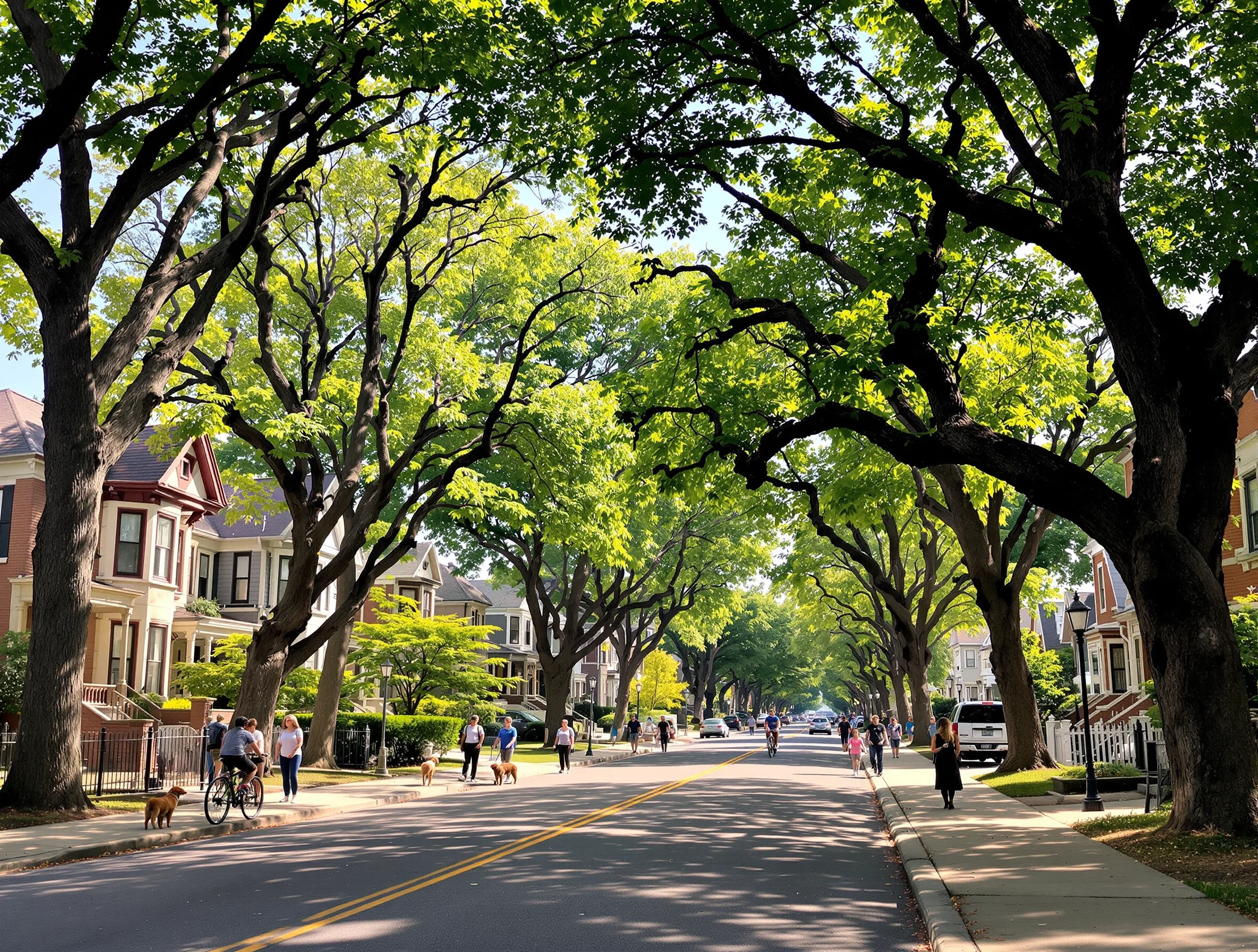
The Lifestyle in Oak Park: Village Feel With Urban Access
This near-west suburb is often described as the "best of both worlds" for good reason. Oak Park offers walkable residential blocks, neighborhood parks, and a village center where locals bump into each other at weekend farmers markets or community events. It has long attracted those who appreciate historic charm: ornate Victorians, bungalows, and iconic Frank Lloyd Wright designs stand shoulder to shoulder with carefully preserved brick apartment buildings.
For many buyers, the biggest lifestyle perk is space. Compared to many Chicago neighborhoods closer to downtown, Oak Park often delivers larger yards, wider streets, and more separation between homes. That extra breathing room can be especially appealing to growing households or anyone who works from home and needs a quiet office or studio. At the same time, the CTA Green Line and Metra trains make it entirely realistic to commute into the city for work or entertainment without giving up that residential calm.
Schools are another major draw. Oak Park is widely known for its strong public school system, with a robust network of elementary schools feeding into Oak Park and River Forest High School. Families who value access to extracurriculars, arts, and athletics often find the community's investments in education compelling. Add in local libraries, recreation centers, and a busy calendar of village events, and you begin to see why many residents plant deep roots here rather than viewing the suburb as a short-term stepping stone.
Culturally, Oak Park punches above its weight. Arts organizations, galleries, and theater groups thrive alongside independent coffee spots and neighborhood gathering spaces. While you will not find the same density of nightlife as you would in Chicago's downtown and North Side neighborhoods, you will have plenty to do close to home—and when you want bigger-city energy, the loop and lakefront remain an easy train ride away.
Life in Chicago: Energy, Diversity, and Neighborhood Variety
Moving into Chicago itself means embracing a faster pace and endless options. Instead of one village center, you gain access to dozens of unique neighborhoods, each with its own rhythm. From the high-rises and river views in the downtown core to the classic greystones of Logan Square or the tight-knit community feel in neighborhoods on the Southwest and West Sides, the city allows you to match your lifestyle with a very specific pocket of urban life.
Daily routines in Chicago tend to revolve around proximity. Many residents prioritize being close to the "L," major bus lines, lakefront paths, or their workplace. Walkability is a major perk: it is common to run errands on foot, grab coffee around the corner, or enjoy a park just a couple blocks away. That convenience can offset smaller living spaces, especially for buyers who view their homes as a launch pad into the wider city rather than the central hub of their day.
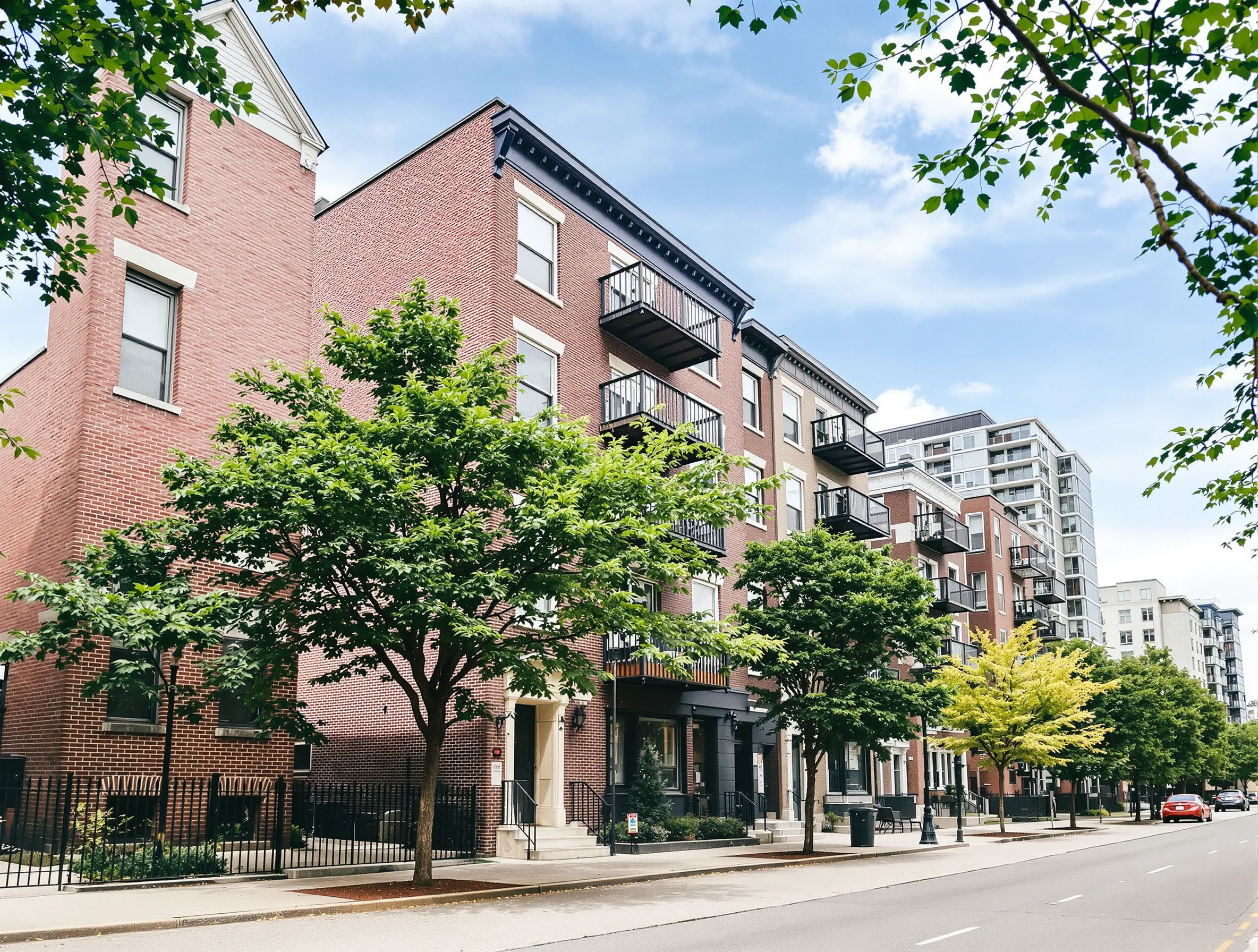
Entertainment and culture are where Chicago truly shines. World-class museums, live music venues, theaters, sports stadiums, lakefront parks, and seasonal festivals create a constant rotation of things to do. If your ideal weekend includes catching a show on Friday, a long walk or run by Lake Michigan on Saturday, and exploring a new neighborhood on Sunday, the city lifestyle may feel like an inspiring fit. Dining options are equally varied, from casual neighborhood spots to acclaimed fine-dining destinations spread across the city rather than clustered in one central area.
Families and professionals alike benefit from the city's educational and career networks. Chicago offers a wide range of public, magnet, and selective-enrollment schools, along with private and parochial options. Large employers, hospitals, universities, and startups are woven throughout the urban fabric, shortening commutes for many residents. That said, researching specific neighborhoods and school zones is essential—this is where having a knowledgeable broker on your side becomes critical.
One important consideration is trade-offs in space and noise. Depending on the neighborhood, you may encounter more street traffic, busier sidewalks, and shared walls with neighbors in multi-unit buildings. In exchange, you gain unparalleled proximity to cultural institutions, public transit, and a deep sense of urban vibrancy. Buyers who crave energy and variety often feel more at home in Chicago's neighborhoods than in quieter suburban streets.
Comparing Housing Options and Market Dynamics
Looking at the real estate itself, the differences between Oak Park and Chicago become even clearer. Oak Park's housing stock leans heavily toward single-family homes and low- to mid-rise multi-unit buildings, many with historic character. Wide porches, original woodwork, and vintage architectural details are common, as are mature trees and established landscaping. Inventory can be competitive, particularly for well-maintained homes close to transit and schools.
Within Chicago, inventory varies dramatically neighborhood by neighborhood. Downtown and certain North Side areas are known for condos and luxury high-rises, while many West and Southwest Side communities offer a mix of single-family homes, two-flats, and small apartment buildings. Some buyers target move-in-ready properties; others look for opportunities to add value through renovation. Pricing spreads can be wide, making it essential to pair your budget with realistic expectations around size, finishes, and location.
From a value perspective, each option has its advantages. Oak Park's strong sense of community and school reputation can support long-term demand, significant for buyers who view their purchase as both a home and a key piece of their financial future. Chicago's diversity of housing types and ongoing development create opportunities for a range of budgets, including first-time buyers, move-up purchasers, and investors. Understanding how property taxes, association fees, and commute costs factor into the total monthly picture is just as important as the list price itself.
Daniel Hernandez and NAIM Luxe Realty focus on simplifying these comparisons. Instead of handing you spreadsheets and expecting you to decode them alone, Daniel walks through scenarios: What does your day look like if you live near a train in Oak Park versus a bus line in the city? How do school options change with each choice? How might resale value and future goals—like upsizing, downsizing, or investing—play out over five to ten years? Those conversations transform a complex market into a clear, manageable decision.
Which Community Fits Your Next Chapter?
When you step back, the Oak Park vs. Chicago decision becomes less about which is "better" and more about which is better for you right now. If you dream of quiet evenings on a front porch, kids playing in a yard, and a tight-knit village atmosphere—while still riding the train into the city when you want to—Oak Park may feel like a natural fit. If, instead, you love stepping out your front door into a buzzing neighborhood, walking to parks, culture, and entertainment, and living in the heart of a major city, then one of Chicago's many communities might be where you belong.

There is no single checklist that settles the question; instead, it is a combination of budget, commute, school needs, preferred home style, and personal rhythm. Maybe you love the idea of a historic Oak Park bungalow but want to keep one foot in Chicago's arts scene. Or perhaps a Chicago neighborhood with a strong residential feel offers the perfect middle ground between city access and a sense of community. Exploring homes in both areas, walking the streets at different times of day, and picturing daily life in each setting can be eye-opening.
Working with a broker who knows both sides of the equation is invaluable. Daniel Hernandez leverages his residential experience across Chicago and nearby communities to highlight details you might overlook on your own—from transit nuances and block-by-block character to subtle pricing patterns and future development plans. The goal is not to push you toward one choice, but to give you enough context and clarity that the right answer feels obvious to you.
If you are debating between Oak Park and Chicago for your next move, you do not have to figure it out alone. NAIM Luxe Realty is ready to help you compare neighborhoods, tour properties, and translate big-picture dreams into a smart, confident purchase or sale. When you are ready to take the next step, connect with Daniel to start narrowing the options to the homes and communities that genuinely match the way you want to live—whether that leads you to a quiet Oak Park street, a vibrant Chicago block, or an unexpected alternative that fits even better.